Immersive branding and growth strategy for high growth companies
Sections
Share
There is no shortage of brands that look good. The problem is that looking good stopped being enough a long time ago. High growth companies need brand systems that create real emotional connection, communicate differentiation clearly, and scale without falling apart. This guide breaks down what immersive branding actually means, why it matters, and how to build a brand system that holds up as the business grows.
What is immersive branding?
Branding beyond visual identity
Most people still think of branding as the visual stuff. The logo. The colors. The fonts. And while those things matter, they are only the surface of what a brand actually is.
A brand is how people perceive you. It is the feeling someone gets when they land on your website, read your copy, or hear your name in a room. It is the story that forms before they have read a single word about what you do.
Branding extends far beyond aesthetics. It includes positioning, narrative, consistency across touchpoints, and the emotional resonance those touchpoints create over time. A strong branding strategy connects all of those elements into something coherent. Done well, branding is a business asset. Done poorly, it is invisible.
From static to immersive: what actually changed
Traditional branding is mostly static. A company defines its logo, its color palette, its brand guidelines, and then applies them consistently. That approach made sense when most brand interactions happened in print or broadcast. It still matters. But it is no longer enough.
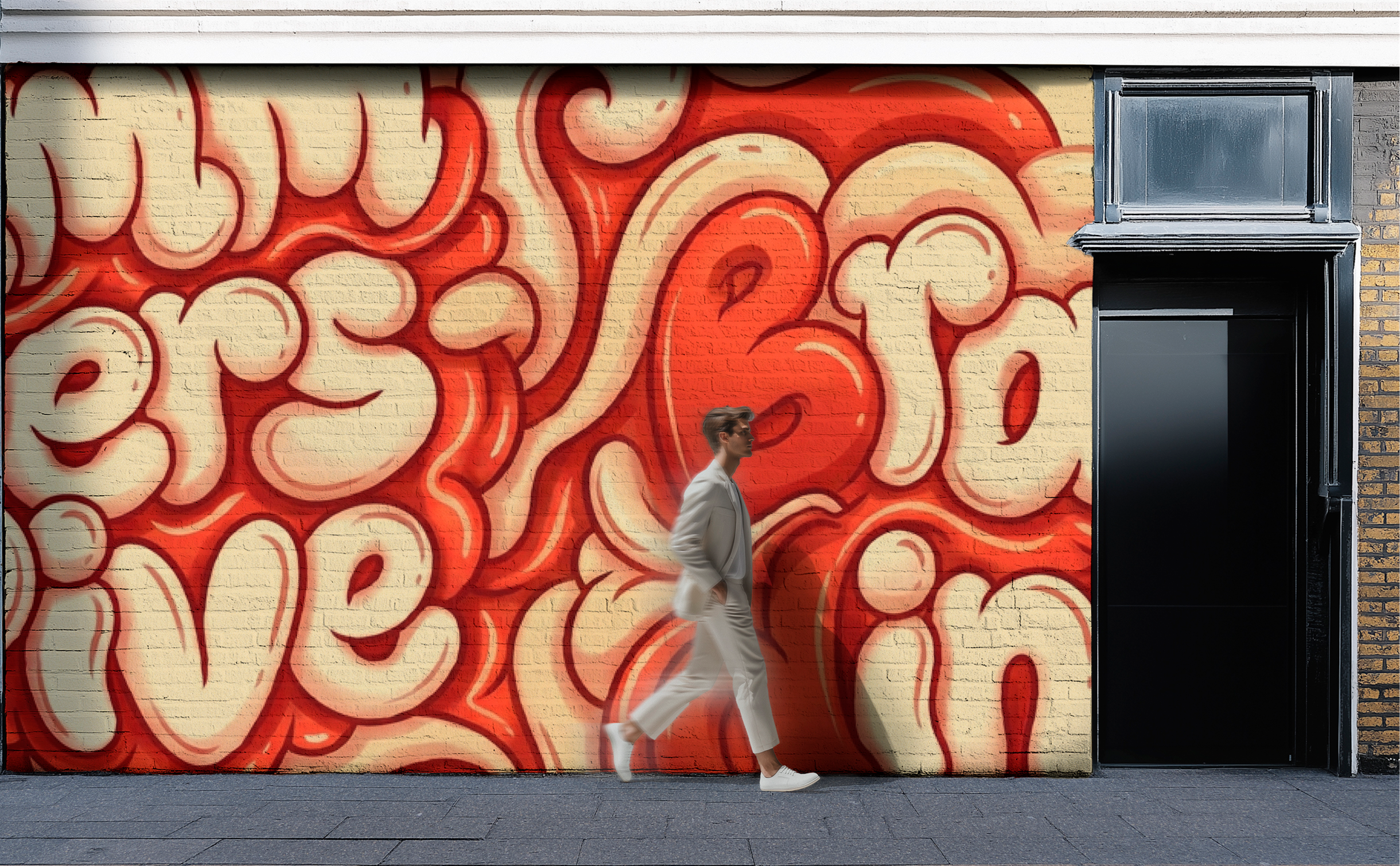
Immersive branding is experience-driven. It does not just show people who you are. It puts them inside it.
When someone lands on a site and immediately feels something before reading a word, that is immersive branding working. When a product page draws you in through motion, narrative, and interaction rather than a list of features, that is immersive branding. The shift is from telling to experiencing. Static visual systems inform. Immersive brand systems engage.
The core components of a high growth brand
Positioning: the one question every brand has to answer
Positioning is the strategic foundation of everything else. It defines how your company is different from competitors and why that difference matters to the people you are trying to reach.
Strong positioning answers one specific question: why you, and not someone else? When positioning is weak, everything downstream suffers. The copy feels generic. The design has no clear point of view. The sales team struggles to articulate what makes you worth choosing.
For high growth companies, the stakes are higher. As you scale, your brand encounters more people in more contexts. Without a sharp, consistent position, growth creates confusion rather than momentum. We have seen this happen more times than we can count: a company grows faster than its brand, and suddenly the thing that was supposed to help them win is getting in the way.
A great brand isn’t just designed; it’s lived. It has beliefs, quirks, ambitions, and a point of view.
Ron GriffelCo-Founder, Griflan
Storytelling and brand narrative
People do not connect with companies. They connect with stories.
Brand storytelling is how companies make that connection real. A strong brand narrative gives your company a reason for existing that goes beyond the product or service you sell. It explains what you believe, what you are building toward, and why that matters. It makes customers feel like they are part of something rather than just completing a transaction.
Narrative consistency is what makes a brand feel coherent across touchpoints. The story on your homepage, your social presence, your sales materials, and your customer communications should all feel like they came from the same place. That coherence builds trust over time in a way that no single campaign ever can.
Visual identity and brand systems
A strong visual identity is more than a good logo. It is a system of design decisions that work together to communicate who you are across every application.
That system includes typography, color, illustration style, photography direction, iconography, spacing, and motion principles. When those elements are thoughtfully designed and clearly documented, they create consistency at scale. When they are not, visual identity degrades every time someone applies it without guidance.
For high growth companies, scalable branding is the goal. Your visual identity needs to work across a homepage, a pitch deck, a product interface, a trade show booth, and a social post. That requires real design systems — not just a logo and a color palette, but a documented framework that gives anyone on your team or your vendor list the tools to apply the brand correctly. Building that system intentionally from the start saves an enormous amount of time and money later.
Your website is not a marketing asset. It is your brand.
Users form an impression of your company within seconds of landing on your site. That impression is shaped by the quality of the design, the clarity of the messaging, the speed of the load, and the feeling of the interaction. A website that looks dated, loads slowly, or makes the user work to understand what you do creates a brand perception problem regardless of how strong the underlying company is.
For high growth companies, the website is often where investors, potential hires, partners, and customers form their first opinion. It is the place where your positioning, narrative, visual identity, and digital experience all come together. A strong UX strategy ensures that experience is not just beautiful but intentional — guiding users toward the actions that matter. Conversion focused branding means every design decision serves both the brand story and the business goal. Getting that balance right matters more than most companies realize.
Why most brands fail to stand out
The most common branding failure is not bad design
The most common branding failure is not bad design. It is unclear positioning.
When a company tries to appeal to everyone, it ends up resonating with no one. Generic messaging like “we help businesses grow” or “we deliver results” communicates nothing meaningful. It gives customers no reason to choose you over anyone else with a similar service.
Strong positioning requires real choices. It means being specific about who you are for and who you are not for, even at the risk of excluding some potential buyers. Most companies are not willing to make those choices. The ones that are tend to win.
Inconsistent brand experience
A brand is only as strong as its least consistent expression.
When the tone of voice on the website does not match the emails your team sends, when the visual style on social looks different from the sales deck, when the product experience feels disconnected from the marketing, the result is a brand that feels fragmented. Users may not be able to articulate why, but they feel it. It creates doubt.
Consistency is the unsexy but essential work of branding. It requires clear guidelines, internal alignment, and ongoing attention. It is not glamorous. It is also not optional.
Trend-driven branding has a shelf life
There is a version of this problem that shows up constantly: a company builds a brand around whatever the most popular visual trend is at the moment. The 3D gradients. The abstract blobs. The particular typeface that every startup seems to be using this year.
Trend-driven branding looks current for about eighteen months and then ages badly. It signals that your brand was built by looking sideways at competitors rather than inward at your own identity.
The brands that hold up over time are built on a clear, ownable point of view. Trends can inform. They should not define.
Aesthetics without strategy is expensive decoration
A brand can look stunning and still fail to communicate what the company actually does, who it is for, or why it is worth choosing. Aesthetics matter enormously, but they only work when they are in service of something. The visual decisions should express the strategy, not exist independently of it.
How branding drives business growth
Strong branding improves recognition and recall
The goal of branding is to be remembered. In a world where buyers encounter dozens of companies in any given category, the ones that get chosen are the ones that come to mind first.
Recognition is built through consistency and distinctiveness over time. When it is high, marketing becomes easier and less expensive. You spend less convincing people who you are and more time giving them a reason to take action.
Branding creates competitive differentiation
In a market where multiple companies offer similar products at similar price points, brand is often the deciding factor.
Differentiation is not just about being different. It is about being meaningfully different in a way that matters to the people you are trying to reach. Companies that invest in brand differentiation early tend to compete on perception rather than price. That is a much better position to be in as you scale.
Branding supports marketing performance
Strong branding makes marketing more effective across every channel. When your brand has clear positioning and a consistent visual identity, campaigns perform better because the message is coherent. Paid ads that lead to a strong brand experience convert at higher rates. Sales conversations supported by polished materials close more efficiently.Branding and marketing are not separate functions. Branding sets the foundation that makes marketing work.
Branding builds long term brand equity
Brand equity is the accumulated value of your brand over time. It is what allows a well-known company to charge a premium, enter new markets more easily, and maintain customer loyalty even when competitors undercut on price.
Brand equity is built slowly and requires consistency. The companies that invest in brand early tend to find that the investment compounds. Every interaction that reinforces the brand adds to a cumulative perception that becomes increasingly difficult for competitors to replicate.
Immersive branding for high growth companies
When your company outgrows its brand
One of the most common challenges for high growth companies is that the brand gets left behind.
In the early stages, most energy goes into the product, the team, and the revenue. The brand is often whatever the founder or an early hire put together quickly. That works until it does not. At some point, the company grows into rooms and conversations where the brand is not doing its job. The website looks like a startup. The messaging is inconsistent. The visual identity does not scale.
Rapid growth without brand investment creates a perception gap. The company is further along than the brand suggests, and that gap costs opportunities.
Rebranding after funding or expansion
For many companies, a funding round or significant expansion is the natural trigger for a rebrand.
A new round of investment means new scrutiny from potential partners, customers, and talent. Expansion into new markets means encountering audiences who have no existing familiarity with the brand. In each case, a rebranding strategy is not just a visual refresh. It is a strategic realignment that positions the company for the next chapter.
This is especially true for startup branding, where the early identity is often built quickly and needs to evolve as the company matures. SaaS branding faces its own version of this challenge: the product changes, the pricing evolves, the audience shifts, and the brand needs to keep pace. Growth branding, at its best, anticipates these inflection points rather than reacting to them. Done well, a rebrand signals momentum. It tells the market that something has changed and the change is meaningful.
Building a scalable brand system
The most important output of a strong branding engagement is not a beautiful logo or a polished website. It is a system the company can actually use and scale over time.
A strong brand system creates consistency without creating rigidity.
Ari KaplanCo-Founder, Griflan
A scalable brand system includes clear guidelines for how the visual identity is applied, how the tone of voice works across different contexts, and how new materials can be created without diluting the brand. Without that system, consistency erodes every time a new hire joins or a new channel is added. With it, the brand stays coherent as the company grows.
The relationship between branding, UX, and digital experience
Your website is a brand decision, not just a design decision
Everything on a website communicates something about the brand: the design, the copy, the navigation, the speed, the interactions, and the overall feeling of the experience. Users do not separate the brand from the website. They experience them as one thing.
This means a beautiful brand identity paired with a poorly designed website creates a contradiction. The website undermines the brand regardless of how strong the visual identity is on its own.
How UX influences brand trust
Poor UX is a brand problem, not just a product problem.
When a website is confusing to navigate, slow to load, or difficult to read, users form a negative impression of the company. They do not think “the UX on this site is poor.” They think “this company does not seem that professional.” The cause is invisible. The effect is a trust deficit that affects everything downstream.
Accessible, well-structured digital experiences build trust passively. Every interaction that works the way a user expects it to reinforces the brand’s credibility.
Start with strategy, not a template
The most effective websites are built from the brand strategy down, not from a template up.
That means the messaging reflects the brand’s positioning. The visual system expresses the brand’s identity. The navigation structure reflects the brand’s understanding of its audience. When brand strategy and website design are aligned, the result is a digital experience that feels coherent and trustworthy. When they are disconnected, users feel that disconnect even when they cannot name it.
Human strategy vs. AI-generated branding
Where AI can support branding workflows
AI tools have become genuinely useful for parts of the branding process. Research, mood boarding, initial ideation, production efficiency, copy drafting, and design iteration are all areas where AI can accelerate work and reduce costs.
That is a real benefit. The ability to move faster through early-stage exploration, to generate and test options more quickly, and to automate repetitive production tasks creates more room for the strategic and creative thinking that matters most.
What AI cannot do
What AI cannot do is understand your company the way a strategic partner can.
Effective brand positioning requires understanding the specific dynamics of your market, the genuine differences between you and your competitors, and the long-term direction of the business. That understanding comes from conversations, from experience, and from the kind of judgment that develops over time working closely with companies navigating real growth.
AI-generated branding tends to produce work that looks competent but feels generic. It optimizes for plausibility. In branding, being plausible is not the goal. Being unmistakable is.
Why human-led strategy still matters
The brands that cut through are built on a specific, deeply understood point of view about who a company is and why it matters.
That requires human creative direction and strategic thinking that connects brand decisions to business outcomes. It requires the ability to make the right call even when there is no data to confirm it, because good brand decisions are often made on judgment and instinct as much as analysis.
AI is a tool. A good branding partner is a collaborator. The distinction matters more than ever.
What to look for in a branding partner
They should ask hard questions before they start designing
The best branding engagements are partnerships, not production contracts.
A strong branding partner brings strategic thinking about positioning, narrative, audience, and business goals. They ask hard questions at the start rather than jumping to deliverables. They understand that the brief is the most important part of any creative engagement.
If a potential branding partner leads with aesthetics before strategy, that is worth paying attention to.
Experience building scalable brands
Building a brand for a company at one stage of growth is different from building one for a company at the next stage.
A partner with experience working with growth-stage companies understands the challenges of building something that needs to work today and scale over the next three years. They build brand systems, not just brand moments.
Integrated branding and digital execution
The gap between a brand strategy and a live digital experience is where a lot of brand investment gets lost.
A partner that can carry the brand from strategy through visual identity through website design and development creates a more coherent outcome than a series of handoffs between separate vendors. The positioning informs the narrative. The narrative shapes the design. The design drives the digital experience. When that chain stays connected, the result is a brand that works as a whole.
Final thoughts: building a brand designed for growth
Immersive branding is not a luxury for companies with large creative budgets. It is a strategic investment in how your company is perceived, remembered, and chosen.
The companies that get this right treat brand not as a one-time project but as an ongoing commitment to how they show up in the world. They invest in positioning before they need it. They build systems that scale before the brand breaks. They choose partners who think strategically as well as execute beautifully.
Thirteen years of working with high growth companies across industries has taught us that the brands that last are the ones built with intention. Not just the ones that look the best, but the ones that mean something. The ones that make the right people feel something.
That is what we build at Griflan. And we are just getting started.
FAQ
Immersive branding is a strategic approach that combines positioning, storytelling, visual identity, and digital experience to create a cohesive and memorable brand experience. Instead of focusing only on visuals, immersive branding shapes how customers perceive and interact with a company across every touchpoint.
Branding helps companies grow by improving differentiation, recognition, trust, and customer perception. Strong branding also supports marketing performance, conversion rates, and long term customer loyalty by creating a more consistent and memorable experience.
Branding defines how a company is perceived through positioning, messaging, storytelling, and visual identity. Marketing promotes that brand through channels like advertising, SEO, social media, and campaigns. Branding shapes perception, while marketing drives visibility and acquisition.
Companies should consider rebranding when their current brand no longer reflects their growth, positioning, audience, or market direction. Common triggers include rapid scaling, funding rounds, mergers, outdated messaging, or difficulty differentiating from competitors.
Storytelling helps brands create emotional connection, improve memorability, and communicate their value more clearly. Strong brand narratives make companies feel more human and help customers understand what the brand stands for beyond products or services.
AI can support parts of the branding process like research, ideation, and production efficiency, but it cannot replace strategic thinking, positioning, storytelling, or human creative direction. Effective branding requires understanding emotion, market perception, and business goals at a deeper level.
Website design directly influences how users perceive a brand. Elements like UX, messaging, layout, performance, and visual consistency shape trust, credibility, and engagement. A poorly designed website can weaken even a strong brand strategy.
A strong brand positioning strategy clearly defines how a company is different from competitors and why customers should care. Effective positioning creates clarity, supports messaging consistency, and helps brands own a distinct space in the market.
More Posts
Motion design and interactive storytelling for modern brands
A static brand is a brand standing still in a world that will not stop moving.

From Ron & Ari: Why we say the hard thing
The work gets better when you say the thing you are thinking. Griflan co-founder Ron Griffel on what honest creative partnership actually looks like in practice.
Custom web development for scalable, high-growth companies
Learn how custom web development supports scalability, performance, UX, and long term digital growth for modern businesses.